

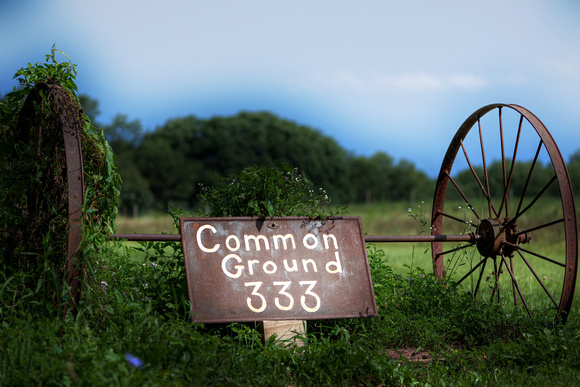
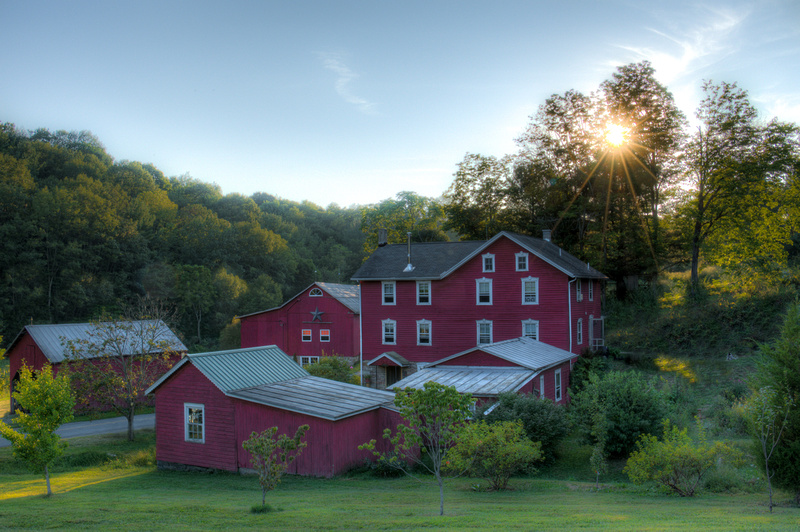
I soon learned after meeting Carrie that she was living with Mike and Lindy Sheridan, who had recently moved to Kempton, a small village not far from where I lived. They had relocated from Philadelphia to a quiet, rolling 50-acre farm with a simple but compelling dream: to create a retreat space they called Common Ground Farm and Retreat.
The farm itself felt like an exhale. Tucked away from the noise and urgency of everyday life, it was intentionally shaped to provide rest, care, and healing through a variety of retreat experiences. Some were self-guided, inviting solitude and reflection; others were structured group gatherings designed to walk people through seasons of loss, transition, and renewal. Common Ground existed for those standing at life’s crossroads—people navigating endings, beginnings, and the difficult spaces in between.
As I began to understand the vision unfolding on that small farm, something in me stirred. I recognized it almost immediately: this was something I could connect with. I, too, was moving through a season of profound change, and the relationships forming there felt unexpectedly safe and deeply comforting. There was no pressure to explain everything or to have answers—only an invitation to show up as you were.
It soon became clear that Carrie and I were kindred spirits in that sense—two people emerging from very difficult life transitions, discovering new purpose by giving ourselves to something larger than our own stories. In serving the growing vision of Common Ground, we found healing happening quietly, almost incidentally, as we worked alongside others.
It was there that I was able to contribute in a tangible way, offering my culinary gifts to support ongoing retreats and gatherings. Food became a language of care—meals prepared thoughtfully, shared slowly, and received gratefully around long tables. Over time, Common Ground also became the gathering place for a growing house church, a small community shaped by shared meals, honest conversation, and a deep desire to walk together with authenticity and faith in Christ and a growing love for this community at large.
This season at Common Ground became far more than a chapter of healing—it quietly reshaped the way I understood my work and, eventually, my livelihood. What began as simply offering meals in support of retreats slowly revealed something deeper: food had become a form of pastoral care. It wasn’t just nourishment; it was presence, hospitality, and attentiveness to people in fragile moments.
Preparing food for retreat guests required listening—learning dietary needs, emotional states, and the unspoken weight people carried with them onto the farm. Meals weren’t rushed or transactional. They were intentionally paced, thoughtfully prepared, and served with an awareness that everyone at the table was in some kind of transition. I watched how a well-prepared meal could lower defenses, create space for conversation, and foster a sense of being seen and cared for.
As retreats and gatherings increased, so did the clarity that this way of cooking—deeply personal, relational, and responsive—was something I could carry beyond the farm. The work at Common Ground helped me recognize that my culinary skills were not separate from my life story; they were shaped by it. My years in ministry, combined with this season of shared vulnerability and service, were converging into something new.
This was the soil in which my personal chef business began to take root. I wasn’t interested in simply cooking for clients—I wanted to serve people in their real lives: families stretched thin, individuals navigating illness or grief, couples celebrating milestones, or those simply longing for rest around their own tables. What I had practiced at Common Ground—creating meals that honored both body and spirit—became the foundation of how I approached every client relationship.
In many ways, Common Ground taught me that my work as a personal chef would always be about more than food. It would be about care, trust, and meeting people where they are. The farm gave me a living classroom, showing me that the table could be sacred space—and that my calling could continue, just expressed through a different vocation.
Your table is definitely the centerpiece of life!
 zchef.net